The Site Visit - Choreographing First Impressions That Close Deals
How facility tours shape buyer perception and strategic preparation frameworks that create authentic positive impressions during site visits
The moment a buyer’s car pulls into your parking lot, their assessment has already begun. Before a single financial document is reviewed or management interview conducted, buyers are forming impressions based on parking lot condition, building exterior, and whether employees acknowledge visitors with appropriate professionalism. In our experience advising middle-market transactions, these initial site visit impressions often influence buyer confidence in ways that persist throughout due diligence, though their relative weight varies considerably by buyer type, industry, and transaction dynamics.
Executive Summary
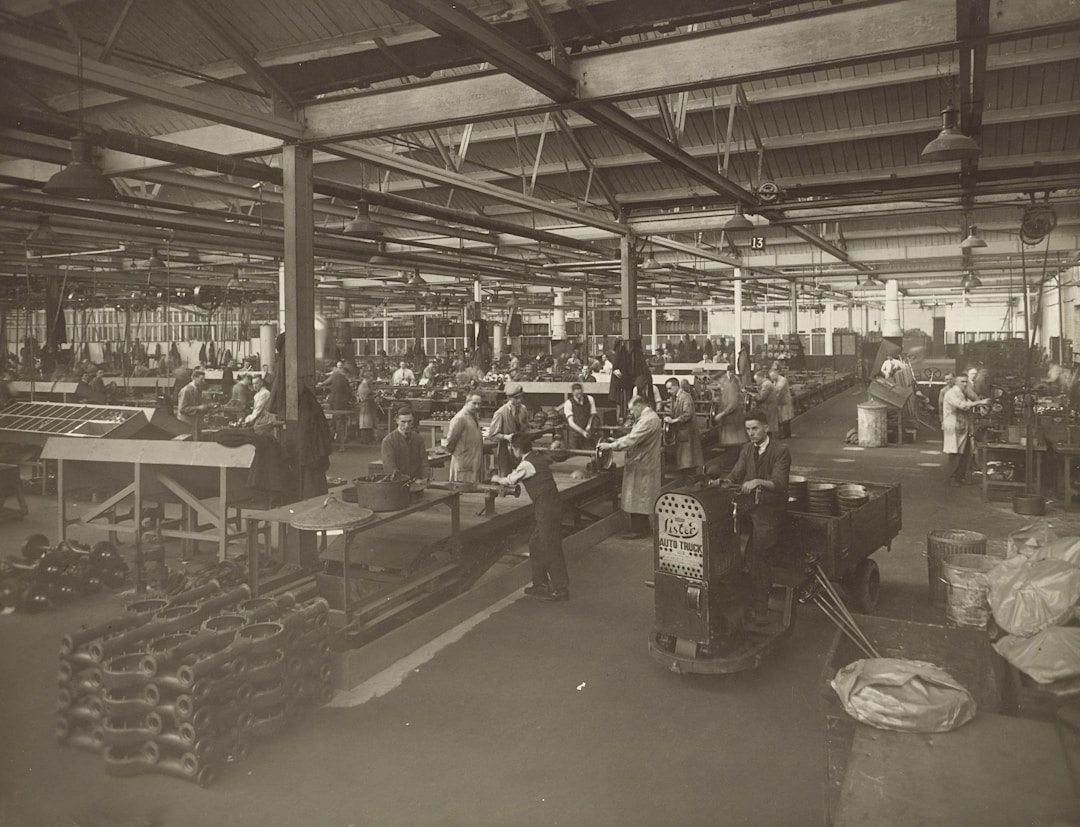
Facility tours represent one of the most underestimated yet influential touchpoints in the M&A process. While sellers focus intensively on financial statements and customer concentration metrics, buyers are walking through facilities making visceral assessments about organizational discipline, operational capability, and cultural health: judgments that can influence both deal momentum and buyer confidence.
Before we proceed, let us establish appropriate perspective: facility preparation typically represents 5-10% of your exit preparation effort. Focus first on financial performance, customer retention, and operational fundamentals. This article addresses a supporting factor in transaction success, not a primary driver. Financial performance, customer metrics, growth trajectory, and competitive position remain the fundamental determinants of valuation and deal outcomes.
Based on our involvement in approximately 85 transactions over fifteen years, with deals ranging from $5M to $75M in enterprise value, we observed a roughly 60/40 split between strategic and financial buyers, though this ratio varied significantly by time period and market conditions. Our observations span manufacturing, distribution, professional services, and hybrid business models. We acknowledge that memorable failures may be overrepresented in our recollections compared to routine successes, and our sample reflects mid-Atlantic regional dynamics that may differ from other markets.
The site visit preparation strategies outlined here go beyond cosmetic fixes to address the fundamental organizational signals that facilities communicate. From employee interactions to equipment maintenance patterns, from safety compliance to workflow efficiency, every element of your physical environment tells a story about how your business operates. Understanding what that story communicates and how to authentically improve it can support deal momentum and buyer confidence.

Introduction
We have participated in site visits from both sides of the transaction table, and a consistent pattern emerges: sellers often underestimate their significance while many buyers weight them more heavily than financial documentation alone might suggest. This disconnect creates both risk and opportunity for business owners preparing for exit.
The risk is real, if sometimes overstated. A poorly prepared site visit can create buyer concerns that need additional diligence to resolve and may slow deal momentum. We have observed transactions where facility condition concerns (whether justified or not) led buyers to request additional operational due diligence, extend timelines, or adjust deal structure. In one case involving a $15M manufacturing company, visible deferred maintenance in the production area triggered buyer concerns leading to a 12% valuation adjustment for estimated capital expenditure requirements. While this represents one data point rather than typical outcomes, it illustrates how facility condition can translate to economic impact. Whether facility issues cause deal termination directly is difficult to isolate, as they typically intersect with other concerns; our observation is that facility issues more often trigger scrutiny that reveals underlying operational problems.
The opportunity is equally significant. A thoughtfully prepared site visit can reinforce buyer confidence and support deal momentum. When buyers walk through a facility that meets or exceeds their expectations, when they observe employees who embody the culture you described, when they see equipment and processes that validate your operational claims, their confidence grows. This doesn’t guarantee higher valuations (financial performance drives that) but it can reduce friction and accelerate the process.
What makes site visit preparation particularly challenging is the authenticity requirement. Many experienced buyers have encountered staging before. They may notice when floors were freshly painted yesterday or when employees seem uncomfortable with rehearsed talking points. This obvious staging can concern sophisticated buyers because it raises questions about what else might be presented misleadingly. The goal of effective site visit preparation is not to create a false impression but to ensure your facility accurately represents your business at its genuine best.
Understanding Buyer Facility Assessment
Understanding why many buyers emphasize site visits means examining the reasoning underlying their assessment process. Experienced acquirers recognize that financial statements can be optimized for presentation, customer references can be curated, and management presentations can be rehearsed. Facilities, in contrast, are more difficult to transform on short notice.
The Authenticity Heuristic
Many buyers treat facility condition as a proxy for management discipline precisely because it is harder to manipulate quickly. A company cannot create years of consistent equipment maintenance in the weeks before a site visit. It cannot manufacture a safety culture overnight. The accumulated evidence of how a business has been run (visible in everything from organized workstations to maintained landscaping) provides information that documents alone cannot convey.
As one acquisitions director at a strategic manufacturing buyer explained to us: “I use facility condition as a quick read on management discipline because it’s hard to fake. If they’ve been maintaining this place for years, it shows. If they scrambled to clean up last week, that shows too.”
This reasoning explains why some buyers prefer site visits with limited advance notice: they want to observe operational reality rather than orchestrated performance. But practices vary considerably; many buyers schedule facility tours as part of formal due diligence calendars with substantial lead time.
The Inference Pattern
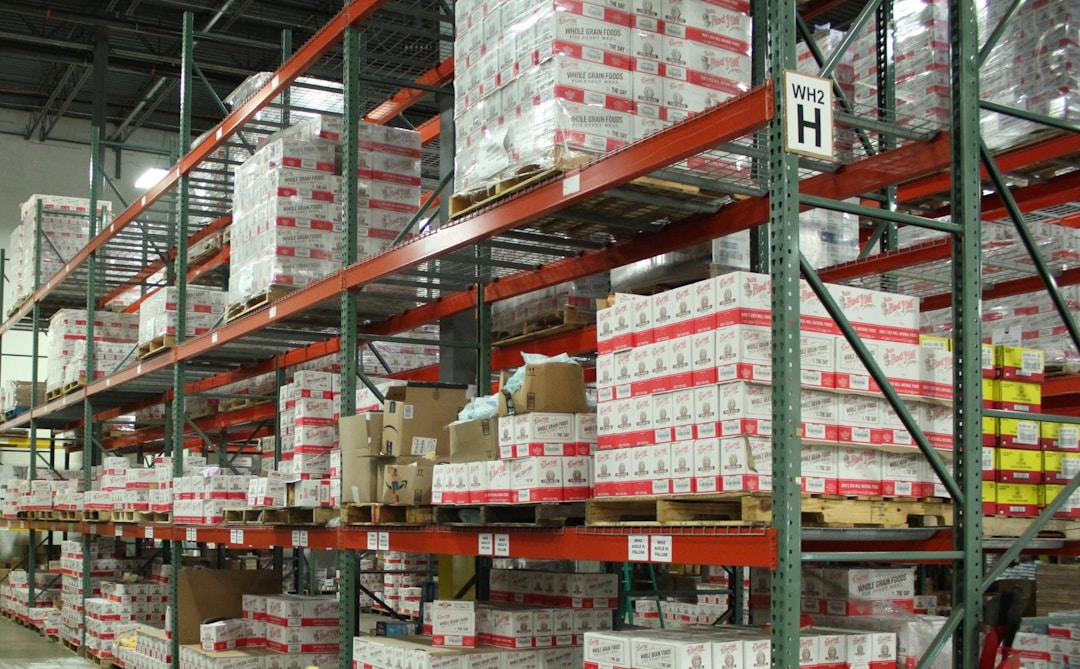
Buyers sometimes extrapolate from visible conditions to areas they cannot directly observe. The logic runs: if the areas they can see are poorly maintained, the areas they cannot see (regulatory compliance, financial controls, customer service processes) may be similarly neglected. Conversely, demonstrated discipline in physical operations may suggest discipline in other operations.
This inference pattern is a heuristic, not a certainty. We have observed companies with excellent facilities and weak financial controls, as well as companies with rough-and-tumble facilities and tight operations. The relationship between visible facility condition and underlying business health is correlational, not definitively causal. Well-maintained facilities and strong business performance often co-occur because they share a common cause: disciplined management. This means that cosmetic facility improvements alone, without corresponding operational substance, are unlikely to meaningfully change buyer perceptions or deal outcomes.
The Cultural Window
Perhaps most important, many buyers use site visits to assess organizational culture in ways that management presentations cannot reveal. They observe whether employees seem engaged or disengaged. They note whether team members interact collaboratively. They watch how workers respond to unexpected visitors (with confidence, curiosity, or anxiety). These cultural signals, visible only through direct observation, can influence buyer confidence in post-acquisition integration potential.
But we caution against overinterpreting site-visit employee behavior. Employee engagement observed during a facility tour is a signal, not a reliable predictor of post-acquisition retention. Actual retention depends on post-acquisition compensation, role stability, cultural fit, and integration execution: factors that no amount of site-visit preparation can address.
What Buyers Typically Observe
Through our work with both strategic and financial buyers, we have identified observation points that commonly receive attention during site visits. We present these as patterns we have observed, while acknowledging that buyer focus varies considerably by industry, company size, acquisition strategy, and individual buyer experience.
The Arrival Experience
For businesses with significant physical operations, buyer evaluation often begins at arrival. Parking lot condition, signage quality, landscaping maintenance, and building exterior form initial impressions. Buyers may notice whether visitor parking is clearly marked and accessible, whether the entrance is welcoming or confusing, and whether the lobby area feels professional or dated.

This arrival experience establishes baseline expectations that can influence subsequent observations. A professional exterior may create assumptions of professional operations; a neglected exterior may create skepticism that persists throughout the tour. The relative importance of this factor varies: a software company buyer may weight lobby aesthetics differently than a manufacturing buyer assessing production capability.
Employee Interactions
Many buyers pay attention to employee behavior during site visits, sometimes engineering opportunities for unscripted interactions. They might ask a warehouse worker for directions, observe break room dynamics, or note whether employees acknowledge visitors appropriately.
What buyers are often evaluating is whether employees seem genuinely engaged with their work. But the inference from site-visit behavior to post-acquisition performance is imperfect. Employees may behave differently during unusual circumstances like facility tours, and factors far more important than observed engagement (compensation, new ownership culture, role changes) typically determine post-acquisition retention.
Housekeeping and Organization
For businesses with manufacturing, distribution, or service operations involving physical facilities, cleanliness and organization commonly receive scrutiny because these factors are largely within management control. There is no external excuse for persistently dirty facilities, and many buyers interpret cleanliness as reflecting management priority.
The assessment extends beyond visible cleanliness to organizational systems. Are tools and materials logically arranged for workflow efficiency? Are workstations set up productively? Is inventory arranged systematically? These details may signal operational sophistication that financial statements cannot capture, or they may simply reflect cosmetic preparation that doesn’t extend to underlying operations.
Equipment and Maintenance

Equipment condition tells buyers a story about capital management philosophy and operational reliability. Well-maintained machinery may suggest owners who invest appropriately in the business. Visible deferred maintenance may raise questions about capital expenditure requirements post-acquisition.
Buyers often look for specific indicators: equipment age and condition relative to industry norms, evidence of preventive maintenance programs, and organization of maintenance areas. We note that deferred maintenance has multiple possible explanations (cash constraints, planned replacement, industry downturn, or deliberate pre-sale strategy) and doesn’t necessarily indicate value extraction or poor management.
Safety and Compliance
Regulatory compliance represents both legal risk and cultural indicator. Buyers may scan for safety violations, environmental concerns, and regulatory non-compliance because these issues can create post-acquisition liability. Many also view compliance as a discipline indicator: companies maintaining rigorous safety standards may maintain rigorous standards generally.
Observation points often include emergency exit accessibility, proper storage of hazardous materials, personal protective equipment usage, and posted regulatory notices. Even minor violations may trigger concern about what larger compliance issues might exist.
Process Flow
Experienced operational buyers may evaluate workflow efficiency during site visits, observing how work moves through the facility. They look for logical process flow, appropriate work-in-process inventory levels, and efficient material handling. These observations help them assess operational improvement opportunity and validate management’s operational claims.
Contextualizing Site Visit Importance
Before diving into preparation frameworks, we must establish appropriate context for facility preparation within your broader exit strategy.
Facility Is a Supporting Factor, Not Primary Driver

Financial performance, customer metrics, growth trajectory, and competitive position are the fundamental determinants of valuation and deal outcomes. In our experience, facility condition typically represents a secondary signal that can accelerate or impede buyer confidence but rarely transforms deal economics on its own.
Focus your exit preparation accordingly: (1) Demonstrate strong financial performance and growth, (2) Address customer concentration and retention risks, (3) Document operational processes and ensure compliance, (4) Optimize financial controls and reporting. Only after addressing these fundamentals should facility preparation receive significant investment.
Industry and Business Model Matter
The advice in this article applies most directly to companies with physical operations: manufacturing, distribution, facilities management, and hybrid businesses. For asset-light professional services firms, facility condition typically matters far less to buyers than talent retention, client relationships, and operational processes.
Buyer Type Affects Emphasis
Strategic acquirers often assess facility condition through the lens of integration cost, operational capability, and market presentation. They may weight facility condition more heavily because they’re evaluating how the acquired business will function within their existing operations.
Financial buyers often focus primarily on asset condition and operational reliability as these affect cash flow predictability. Their facility assessment may be more utilitarian and less concerned with aesthetics.
Size and Timeline Considerations
For smaller acquisitions ($2M-$10M enterprise value), facility condition typically matters less than operational capability and customer retention. Buyers at this level often expect to make improvements post-acquisition and price accordingly.

For middle-market transactions ($25M+), strategic buyers increasingly weight facility condition and infrastructure as integration considerations, making preparation more relevant.
Your exit timeline also matters. If you expect a site visit within 3 months, focus on cosmetic improvements and completing high-visibility maintenance items. Substantive operational improvements typically need 6-12 months. For a 12+ month timeline, prioritize operational fundamentals over cosmetics; genuine improvements compound buyer confidence in ways that staging cannot replicate.
The Site Visit Preparation Framework
Effective site visit preparation needs systematic attention across multiple dimensions. We recommend a framework that addresses immediate presentation, operational fundamentals, and cultural preparation, understanding that substantive improvements matter far more than cosmetic staging.
Level One: Immediate Presentation (4-6 Weeks Before Visit)
These cosmetic improvements create positive first impressions and should be addressed in the weeks immediately before any anticipated site visit. For small-to-mid-size businesses with 10,000-50,000 square foot facilities, direct costs typically range from $5,000 to $25,000, though costs vary significantly by facility size, current condition, and geographic location. Beyond direct costs, factor in management time (20-40 hours for comprehensive preparation) and potential business disruption during improvement implementation.
Exterior and entrance optimization. Ensure parking areas are clean and properly marked. Refresh landscaping and address deferred exterior maintenance. Verify signage is professional and current. Create clear visitor arrival protocols including greeting and sign-in procedures. Typical direct cost for businesses with significant physical operations: $2,000-$10,000.
Common area improvement. Deep clean all public spaces including lobbies, conference rooms, and restrooms. Update or remove dated decor. Ensure lighting is adequate. Address any odor issues that visitors might notice but employees have become accustomed to. Typical direct cost: $1,000-$5,000.
Workspace organization. Implement organizational standards across visible work areas. Clear clutter and properly store materials. Ensure workstations are arranged efficiently. Address any obvious safety or maintenance issues. Typical direct cost: $2,000-$8,000.
Level Two: Operational Fundamentals (6-12 Months Before Visit)
These improvements address substantive operational conditions. They need significant lead time and cannot be completed in weeks:
Equipment and maintenance. Complete deferred maintenance items, prioritizing high-visibility equipment. Ensure all equipment is clean and functioning properly. Document preventive maintenance programs and have records available. Equipment maintenance can need 2-6 months depending on lead times and complexity, plus 15-30 hours of management coordination time.
Safety and compliance. Conduct comprehensive safety audit and address identified issues. Verify all required postings and documentation are current. Ensure proper storage and handling of all materials. Safety audit and remediation typically needs 3-6 months, with potential for business disruption during implementation.
Process and workflow. Evaluate workflow patterns for efficiency. Clear work-in-process backlogs. Ensure inventory organization reflects systematic management. Process optimization typically needs 4-8 months for meaningful improvement and significant management attention.
Level Three: Cultural Preparation (Ongoing)
The most important but often neglected preparation dimension addresses human elements:
Employee communication. This is more delicate than it may appear. Even careful communication about potential site visits can trigger speculation about a pending sale, with risks including employee departures, performance decline, and visible nervousness during visits.
A realistic approach is to frame visits as “potential investor meetings” or “strategic partner discussions” rather than explicitly acquisition-related. Emphasize employment stability where you can honestly do so. Be prepared for rumors to spread regardless of how you frame communication; focus your direct communication on employees you most want to retain.
Management preparation. Ensure leaders who will guide site visits can confidently explain operations, answer questions consistently, and facilitate appropriate interactions. Conduct practice tours that simulate buyer observation patterns. Prepare them for sensitive topics with honest, appropriate responses.
Appropriate employee guidance. The paradox of employee preparation: too much coaching looks staged and damages credibility; too little risks awkward or unprofessional interactions. The best approach is brief, factual communication: “Facility visitors are coming next week. Be friendly and professional. If asked about operations, answer directly or refer questions to [manager]. Don’t speculate about why they’re visiting.”
Accept that some employee interactions will feel slightly unusual to buyers. This is normal and expected.
Common Site Visit Mistakes
Our experience has identified several preparation mistakes that can undermine buyer impressions:
The Over-Staging Error
Nothing damages buyer confidence faster than obvious staging. When facilities look like they were frantically cleaned yesterday, when employees deliver clearly rehearsed responses, when the environment feels artificially arranged, many buyers conclude they are seeing performance rather than reality. This triggers skepticism about what actual conditions might be.
Beyond reputational risk, be aware that facility condition representations in purchase agreements can create legal exposure if actual conditions differ materially from buyer expectations. Ensure that what you show during site visits is sustainable and accurately represented.
The solution is preparation that improves genuine conditions rather than creating temporary appearances. Focus on changes that can be maintained long-term.
The Control Problem
Sellers sometimes attempt to control site visits too tightly, steering buyers away from certain areas or rushing past particular operations. Many experienced buyers notice this control and become curious about what is being hidden.
The better approach balances transparency with appropriate boundaries. Show all facility operations, equipment, and work areas. It’s appropriate to restrict access to genuinely sensitive information (specific customer contracts, proprietary formulas, employee personnel records) with clear, matter-of-fact explanations. “That area contains our proprietary production process, which we’re happy to discuss in detail once we’ve advanced to the next phase of diligence” is a reasonable response that doesn’t trigger suspicion.
The Coaching Mistake
Preparing employees with specific talking points almost always backfires. Employees are not professional actors, and scripted responses often feel awkward and inauthentic. When buyers ask questions off-script, coached employees often become visibly uncomfortable.
Appropriate employee preparation involves awareness rather than coaching. Employees should know visitors are expected, understand professional conduct expectations, and feel comfortable referring detailed questions to management. This creates natural interactions rather than performed ones.
The Detail Neglect
Sellers sometimes focus on major elements while neglecting details that buyers specifically observe. Bathroom cleanliness, break room condition, parking lot maintenance: these details receive disproportionate attention precisely because they reveal management attention to elements that customers and investors would not typically see.
Walk through your facility as a first-time visitor would, noting every element that creates impression (positive or negative) then address everything on that list according to available time and budget.
Assessing Preparation ROI
Before investing significantly in facility preparation, evaluate the expected return using this calculation framework:
The ROI Calculation Structure
To evaluate preparation ROI, estimate: (probability of deal acceleration × time value of faster close) + (probability of reduced buyer concerns × value of avoided price adjustments) versus preparation costs.
For example, if a $10M transaction closes 30 days faster due to smoother diligence, and the seller’s cost of carry is $15,000 per month, that acceleration creates $15,000 in value. If preparation reduces the probability of a facility-related price adjustment by 20%, and such adjustments typically run 5-8% of enterprise value, the expected value protection is $100,000-$160,000 multiplied by 20%, or $20,000-$32,000.
For typical middle-market deals, $10,000-$30,000 in preparation costs are justified if they increase deal closure probability by even 5-10% or reduce timeline by 2-4 weeks. The math becomes less favorable for preparation spending exceeding $50,000 unless addressing genuine operational improvements that benefit the business regardless of sale outcome.
When Preparation ROI Is Strongest:
- Facility issues are addressable without major capital investment
- Sale timeline is 6+ months, allowing for genuine improvements
- Buyer is strategic (typically weights facility more heavily)
- Your industry has significant physical operations
- Current facility condition is notably below industry norms
When Preparation ROI Is Weakest:
- Facility needs are severe and expensive to address
- Sale timeline is less than 3 months
- Buyer is financial and cost-focused
- Your business is asset-light (services, software)
- Current facility condition is already industry-appropriate
The Alternative Approach
Some sellers rationally choose to minimize facility preparation, acknowledge condition issues honestly, and price accordingly. For certain situations (severe facility needs, short timelines, financial buyers) this “discount and move fast” approach may be superior to expensive improvements that won’t be recovered in valuation.
Before investing heavily in facility preparation, model the expected benefit against preparation costs using the framework above. For most businesses with meaningful physical operations, $10,000-$30,000 in preparation spending is likely justified; $100,000+ rarely is unless you’re addressing genuine operational improvements that benefit the business regardless of sale.
Actionable Takeaways
Transform your site visit preparation with these specific implementation steps:
Conduct a buyer’s-eye facility audit. Walk through your entire facility with fresh perspective, documenting every element that creates impression (positive or negative). Pay particular attention to arrival experience, employee areas, equipment condition, and organizational systems. If possible, have an outside advisor conduct a parallel assessment to identify blind spots your familiarity creates. This audit typically needs 4-6 hours and should occur at least 6 months before anticipated buyer contact for businesses with significant physical operations.
Prioritize by impact and investment. Sort identified issues into three categories:
- Must-fix items (safety violations, core functionality problems, regulatory issues): Address immediately regardless of timeline
- Should-fix items (visible maintenance, professional appearance, organization): Address if time and budget permit
- Nice-to-have items (aesthetic upgrades, cosmetic improvements): Address only if must-fix and should-fix are complete and resources remain
After addressing safety, regulatory, and major functionality issues, evaluate each additional improvement against cost to implement, likely impact on buyer perception, and remaining time before sale. Stop when marginal cost exceeds marginal benefit using the ROI framework above.
Develop site visit protocols. Create documented procedures for visit preparation, including employee communication, tour routing, and detail checklists. Establish assigned responsibility for each preparation element. Practice before high-stakes visits. Protocol development typically needs 8-12 hours initially, with 2-4 hours of refresher preparation before each visit.
Prepare management for tour leadership. Ensure leaders who will guide site visits can confidently explain operations, answer questions honestly, and facilitate appropriate interactions. They should be prepared to acknowledge known issues straightforwardly rather than deflecting or appearing evasive.
Maintain perspective on priorities. Facility preparation should not displace focus on business fundamentals. The week before a site visit is not the time to deprioritize customer retention work, financial reporting accuracy, or operational improvement initiatives. Keep facility preparation in appropriate proportion (typically 5-10% of your total exit preparation effort) to other exit preparation activities.
Conclusion
The site visit provides buyers a window into your business: one where physical evidence either aligns with or contradicts the story your documents and presentations tell. Many experienced buyers understand that facilities reveal information about management discipline and operational reality, which is why their observations can influence deal confidence and momentum.
Effective preparation goes beyond surface staging to address the conditions that buyers actually observe. The goal is ensuring your facility authentically represents your business at its genuine best: a representation that can withstand scrutiny and support buyer confidence. But we emphasize again: facility condition is a supporting factor in transaction success, representing perhaps 5-10% of what determines deal outcomes. Financial performance, customer metrics, and competitive position drive valuation; facility preparation supports the story those fundamentals tell.
The owners who approach site visits strategically (who understand what buyers observe, why those observations matter, and where facility preparation fits within broader exit priorities) position themselves for smoother transactions. They recognize that the physical environment assessment is one of many due diligence components, not a magic lever that transforms deal outcomes.
Your facility tells a story about how your business operates. Make sure it’s an honest story that supports your exit objectives and keep it in proportion to the fundamentals that actually drive your company’s value.